


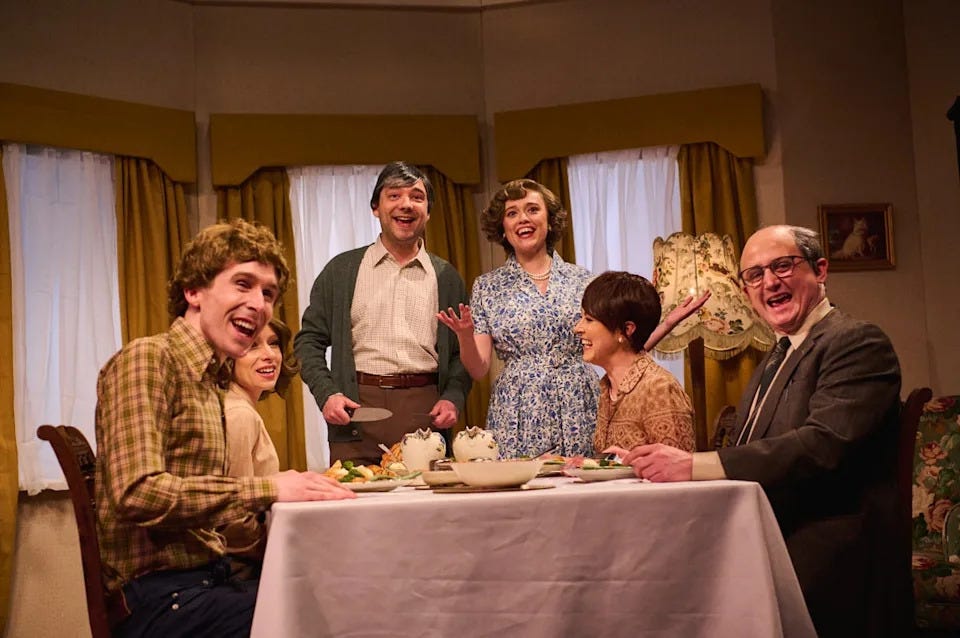
I’ve been meaning to write about SNL UK since it started, but this week I actually went along to a recording, so let’s unleash some thoughts…
Previously I’d been thinking about what SNL UK means theoretically, as a piece of British comedy, propelled by Yankee chutzpah. What does it say that this show - so seemingly doomed to fail - is succeeding beyond everyone’s wildest dreams? And why couldn’t we do it before? It’s the 2012 Olympics Ceremony of sketch shows. Preposterous, but somehow exactly what was required at the time.
Because the shock is that it’s really very good. I don’t mean that you personally like it, I don’t care. You’re allowed for it not to be for you. That’s why comedy as an art form is great. From family in-jokes to The Goons, from Rowan and Martin to Vic and Bob, from ITMA to Ellie and Natasha, comedy is a tribal token of exchange, and good comedy has to have the confidence to delight the people who want to be delighted by it, and not to try and please everyone. But even if you would love to explain which sketches suck, and that it’s annoying that they have cue cards, SNL UK is unarguably doing its high-profile job, making a splash, thus repaying the considerable investment.
Most of all, it’s becoming a bright little light within the British comedy scene. It’s A Good Thing that it’s here. Because someone has spent a shitload on a sketch show. I mean, a shitload. I’ve heard the figure of £2m a show bandied about, when comedy struggles to get commissioned at all because it’s meant to be cheap. Funny programming (which is seen to travel poorly between territories, because comedy is a tribal club) is traditionally budgeted below the High End TV Tax Break limit of £1m an hour, so nobody really wants to make it. If you’re keeping an independent production company running, you want to be making expensive things, to keep the lights on and the diet coke in the fridge in reception. It’s why Left Bank, who made the brilliant low budget sketch show School of Comedy, stopped making it and pitched, out of nowhere, the most expensive possible television programme imaginable, The Crown, which has to look like everyone in it is at least a Duke. A comedy show like SNL would, I’d guess, be budgeted in the UK at a third of that putative £2m, even at the top end.
But I know that we stopped making sketch shows - I was in plenty of meetings when this was discussed - because they were too expensive. I never understood this. At a time when endless cult dramas had supercharged to movie budgets per episode, an act seen as disruptive bravery, the cost of hiring a crate of hats and building some studio shop counters was seen as unreasonable. There is a lot more to be said about this, but you could see SNL as a super-expensive legs-planted-apart exercise in smashing that assumption. And it was done by bolting an American brand onto it.
That was kind of a trick. Lorne Michaels is taking home a comfortable six figure chunk of that £2m a show, I’m sure, but what the Already Successful IP of… er… doing some sketches… gets you is the ability to say ‘fuck off, we know how to do this’. And for the people signing the cheques, they get to say, ‘these guys know how to do this’. And that’s a contagious attitude, even if most of your UK production team - stars and behind the camera - has never done anything quite like this before.
Comedy fails when confidence fails. Go to an open mic night and spot the moment the performer loses their rhythm, then the audience freezes with fear, and nothing is funny now. It’s why so many comedy writers and performers collaborate, and why the best comedy comes from a duo or a team who seem to have one another’s backs, as if to say, ‘My mate finds this funny, and I find this funny, and that’s enough. Leave us alone.’
The SNL branding was just a rights exercise. But that’s not certain or automatic. It was a bit like adapting a hit novel. We all know that this process can go brilliantly or terribly. (Who the hell watches The Da Vinci Code film? And that was a book whose only recommendation was how much it was like a screenplay.) But saying ‘this thing worked before’ is sometimes enough to give an idea a chance to change and blossom and be itself.
But of course I believe that the SNL formula, such that it is, has been a proven hit in America. But I always said it couldn’t be ported over to the UK, because we respond to factory working conditions very differently to the sons and daughters of Henry Ford. We’re a cottage industry place. A nation of shopkeepers. But what happens when we shelter under that awning of slick factory production, and let something happen?
And what fascinated me was how quickly SNL UK turned its borrowed confidence into a confidence trick that could drag in its audience. And this was observable from the sofa.
The first series, following a very unpromising trailer, seemed initially to be reaching for a sort of transatlantic acceptability. The references needed to be the Six Things Americans Know About Britain, and I worried what would happen once we’d done the Royal Family, the Beckhams, Paddington, James Bond, The Beatles and Harry Potter.
We’ve all seen that episode of Friends where they come to London. Shudder. That’s poison for any comedy, because it looks like an outsider to the tribe is trying to infiltrate. It sets the same alarm bells ringing as the clumsy attempts to pretend to be English by the secret German platoon in Went The Day Well. You start looking for clues and tells in this unwelcome invader, continental sevens, Austrian chocolate. You aren’t one of us.
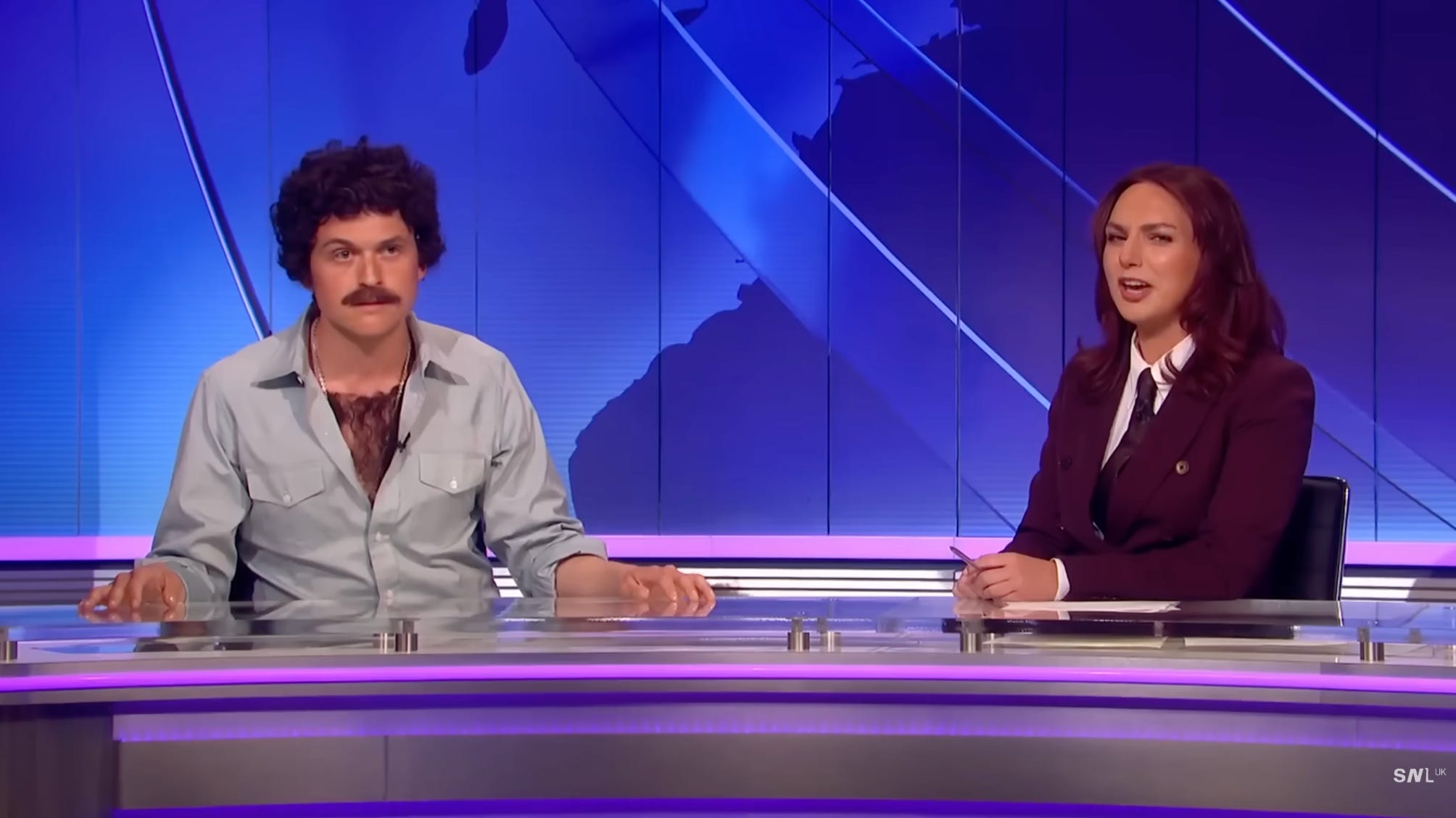
The breaking point happened a few episodes in, when the team had solidified their own in-jokes, begun sharing references that made them snort. So we had Jools Holland, Mr Blobby, and the British Pork Ad Family. These weren’t cultural touchstones, or topical gags. They were the products of a protected in-group having to make one another hysterical, at speed. That’s the SNL formula. You don’t get two Eastern European men in floppy hats saying “We are wild and crazy guys” by going through the week’s headlines. You just leave Steve Martin and Dan Aykroyd to get the giggles. The moment Jack Shep rocked up on the UK Weekend Update desk singing strange little songs in the voice of school exchange trip nightmare Scrimpch, I knew the protective SNL spell was working for its UK team.
So what the hell is working here that hasn’t worked before? We’ve tried. God we’ve tried. But every attempt has felt forced and slow. I’ve liked lots of them. I’ve worked on some. But we’ve fucked this every time. And now we’ve made something good.
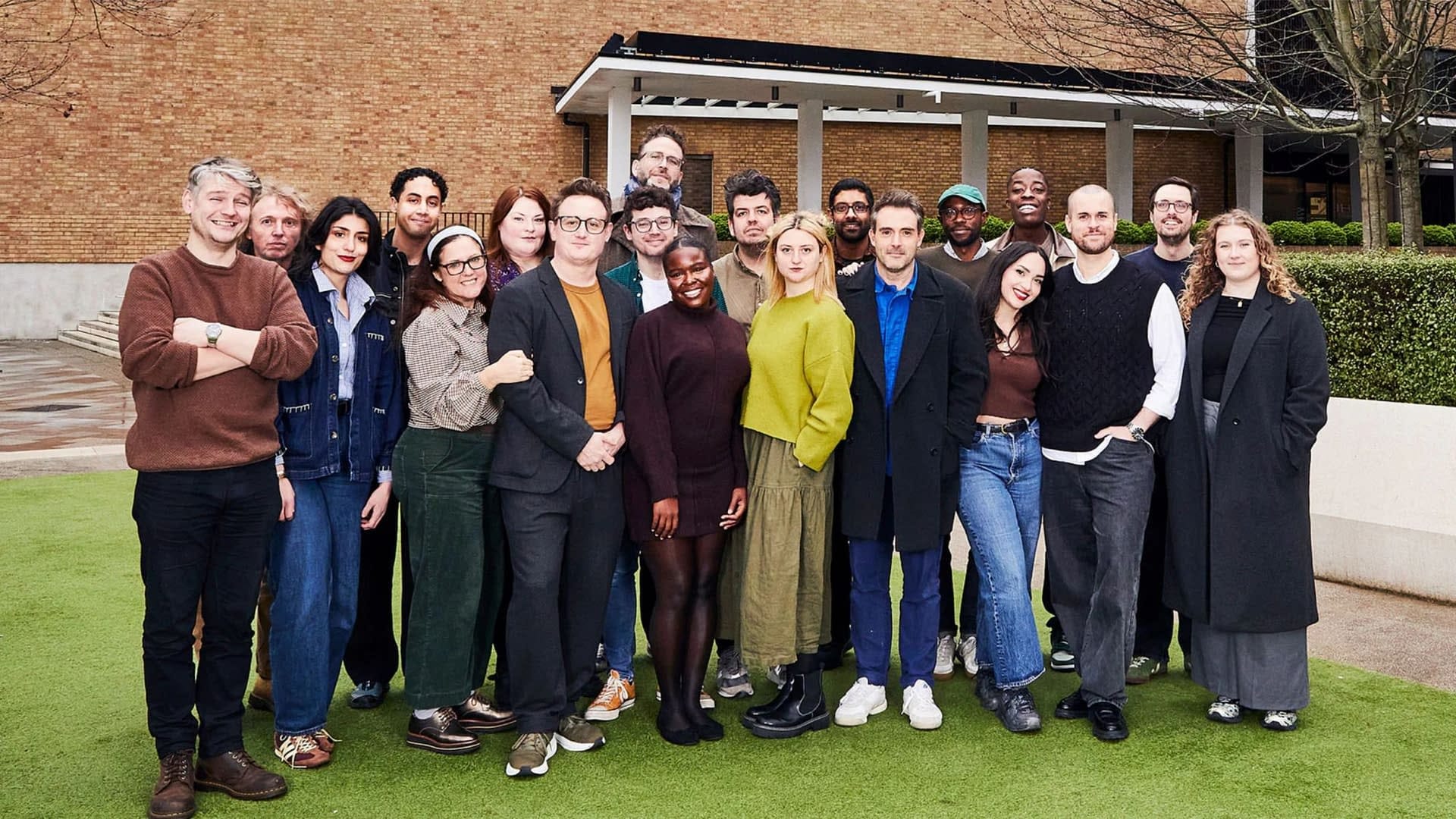
What’s annoying is that we could have made this show at any time over the last thirty years. The talent pool is people who have been turned away again and again. I know a producer who failed repeatedly to sell a radio vehicle for breakout SNL star George Fouracres. (You want to know how the confidence trick works? He had his own NAMED spot on the first show, when nobody had heard of him. That’s ‘I’m Chevy Chase and you’re not.’ That’s how you do it.) Off the top of my head, the brilliant Celeste Dring is half of Lazy Susan, whose Edinburgh show should have seen her and Freya Parker carried shoulder high to television and worshipped. The writing room is full of mates and familiar names who’ve been banging their heads against commissioners’ office walls for years. Like experienced but coldhearted hijackers, these people are toughened, and they have seen countless pilots brutally strangled.
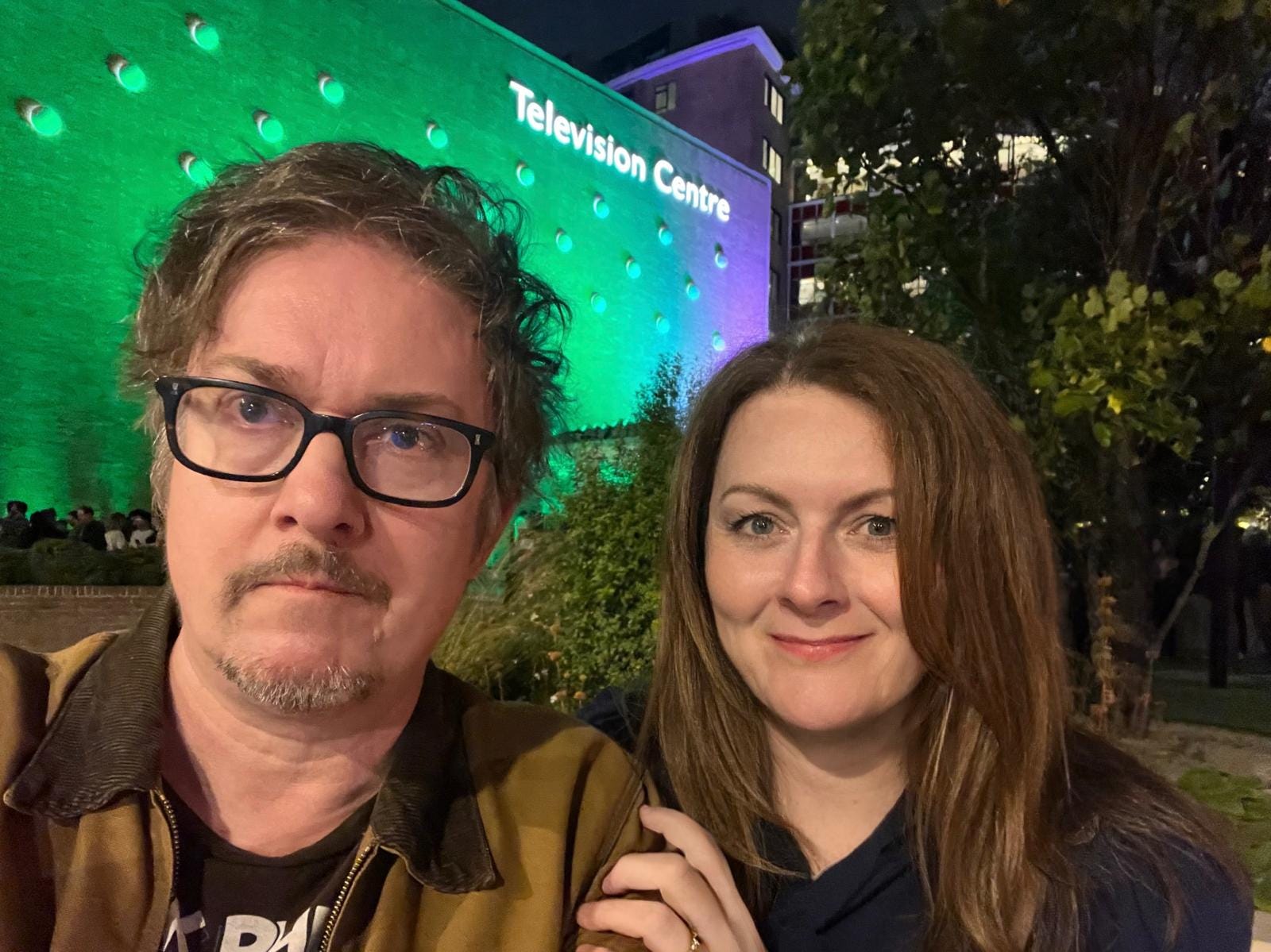
I went to see this week’s SNL being recorded at TV Centre, in White City, which felt very on-the-nose. This is where you’re meant to make comedy. It’s where it happens. My wife and I bumped immediately into our mate Rhys Thomas, who had come with his daughter, who loves SNL. Rhys and I, unusually, had first come to work here as teenagers. We had history with this magical place. And we started talking about the various sketch shows we’d made here, particularly the ones that maybe had a whiff of SNL, and then died.
I started wondering why this one was working.
And then I watched it being made. So now I know.
The secret is that SNL isn’t a comedy show. It’s a rock gig. Or rather, it’s a vaudeville show. It has heritage that we ignore at our peril. It utilises the oldest formula in the book, the wellspring of almost all the great comedy we love. And it’s not about jokes. It’s about energy. That’s the secret formula.
It’s music.
I wondered who the warm up act would be. That’s how you start a British comedy show, right? Someone Not Quite As Good as who you’ve come to see pops out to get some laughter levels for the mics, and asks the front row what they do for a living and how they got here, and then gets interrupted by the floor manager in the middle of all their best jokes.
What SNL did was have the band playing. That live band are as crucial to the feeling of anticipation and ‘liveness’ as Dave Arch’s band are on Strictly. This is actually happening. You are being entertained.
They were playing when we came in. They didn’t stop playing all night. When there was an ad break, they did Girls Aloud and The Beatles and Craig David. They had the best wedding band setlist ever devised. The music never stopped.
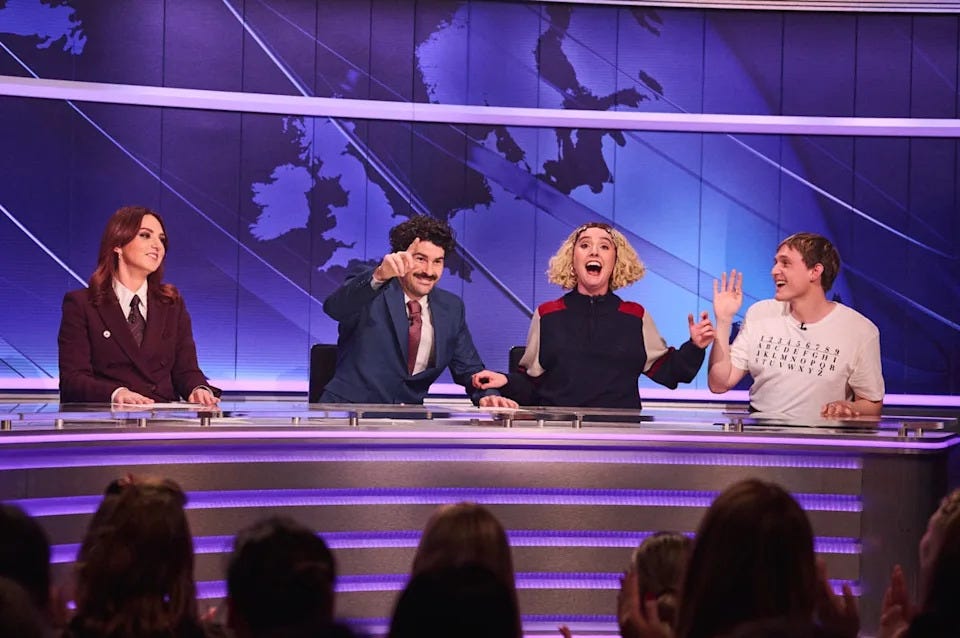
There wasn’t a warm up comic. Instead Annabel Marlow, from the cast, came out and joined the band and sang Crazy by Gnarls Barkley, taking the roof off, then skipped away backstage to get into costume. And the band kept playing. The stagehands assembled a set in three minutes, while a clock counted down, and the music kept going. Samples and vocals and brass and thundering drums and bass.
The music never stopped.
Watching it at home, you think there are two music spots, where the guest act appears. There aren’t. The whole show is a party. You dance in your seat. It gives the performers a rhythm, a beat. You can see them singing along as their makeup is applied. Everyone is up. It changes the whole thing.
Comedy is music. And this is a live gig.
One of the unadmitted problems with comedy is that it’s fast and moves your brain at speed from idea to idea, so you get tired easily. That’s why it suits short bursts, half hour episodes, quick sketches, TikToks, 85 minute films, short novels, comic strips.
To keep you entertained, you don’t need more jokes. You’ve got enough jokes. You’re having a fine time playing with those. No. Something else needs to keep you up and energised. Jokes and music.
This formula isn’t new. It’s how Vaudeville and Music Hall worked. It’s how ENSA entertained the troops, giving us the Goon Show. It’s how a Footlights Smoker works, giving us sixties satire, revue comedy, and Python. It’s what Morecambe and Wise and The Two Ronnies and The Mary Whitehouse Experience did. It’s why we ended a particularly exhausting annual Wipe show by asking the Blockheads on, and Diane did a dance. It’s why The Young Ones is better because it’s got Motorhead in it.
There used to be a cliched lazy opinion that the songs were the shit bit in any comedy show. You joked about ‘the lovely Barbara Dickson’ on the Two Ronnies, or how Smack The Pony had to do a song at the end. But without balancing its rhythmic pulse of set-up-development-punchline against a bedrock of music, comedy can lose its pulse, its soul, and become repetitive. You start predicting the gag shapes. You don’t need more jokes. You need a backbeat. You need the occasional break, so you can’t wait for the next bit of comedy. And then when that comedy is over, you probably want some music.
What you need is variety. Because that’s where comedy came from in the first place.
SNL is an old fashioned variety show, where you, at home, only see some of it. But in the room where it’s made, it’s a vaudeville hour and a bit. Just as has been made for centuries. It’s the fucking Muppets.
I used to hate the American SNL’s artificial Rolling Stone magazine swagger, all that nasty-boy rock-and-roll-ness. I resented it. Comedy is for the clowns, not the cool kids. It seemed to come with so much hateful baggage and licensed bad behaviour. But seeing the UK version recorded, with its relentless pulse, I get it now. You choose your soundtrack, and make your jokes to that beat. You feed off the energy. That stops a show like this feeling anodyne and mechanical. It needs to groove. Because that confidence sells the comedy. You know how Vic and Bob sold you that their silly nonsense was a club you wanted to join? By opening with a big song and dance number. Same as Eric and Ernie. This stuff works.
That’s what we kept getting wrong when we tried to ape the American confidence in our late night comedy. We just did some jokes we liked. Flat. In an overlit studio. We forgot that it should feel like a nightclub, or a festival. That this was a special night out. And that means that the band is part of the show. We need them there, because it comes out in the performances, and inspires confidence in the writing, even if the audience at home don’t see it. The musicians can set the beat, and the cast follow.
The great youth-cult-hit comedies often have a musical pulse running through them. We get into comedy around the same time we get into music, in our early teens, and they are often tied together. The Goons is jazz. Python is progressive rock. Not The Nine O Clock News and The Comic Strip are punk and new wave. The Mary Whitehouse Experience was indie. And SNL is tiktok pop. It throbs with it. And it really helps.
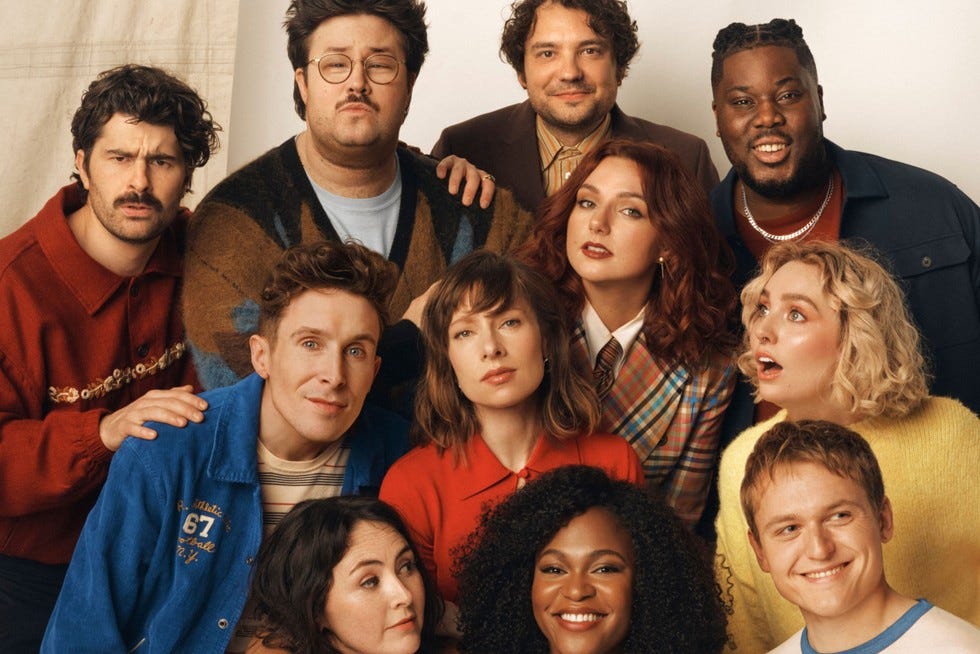
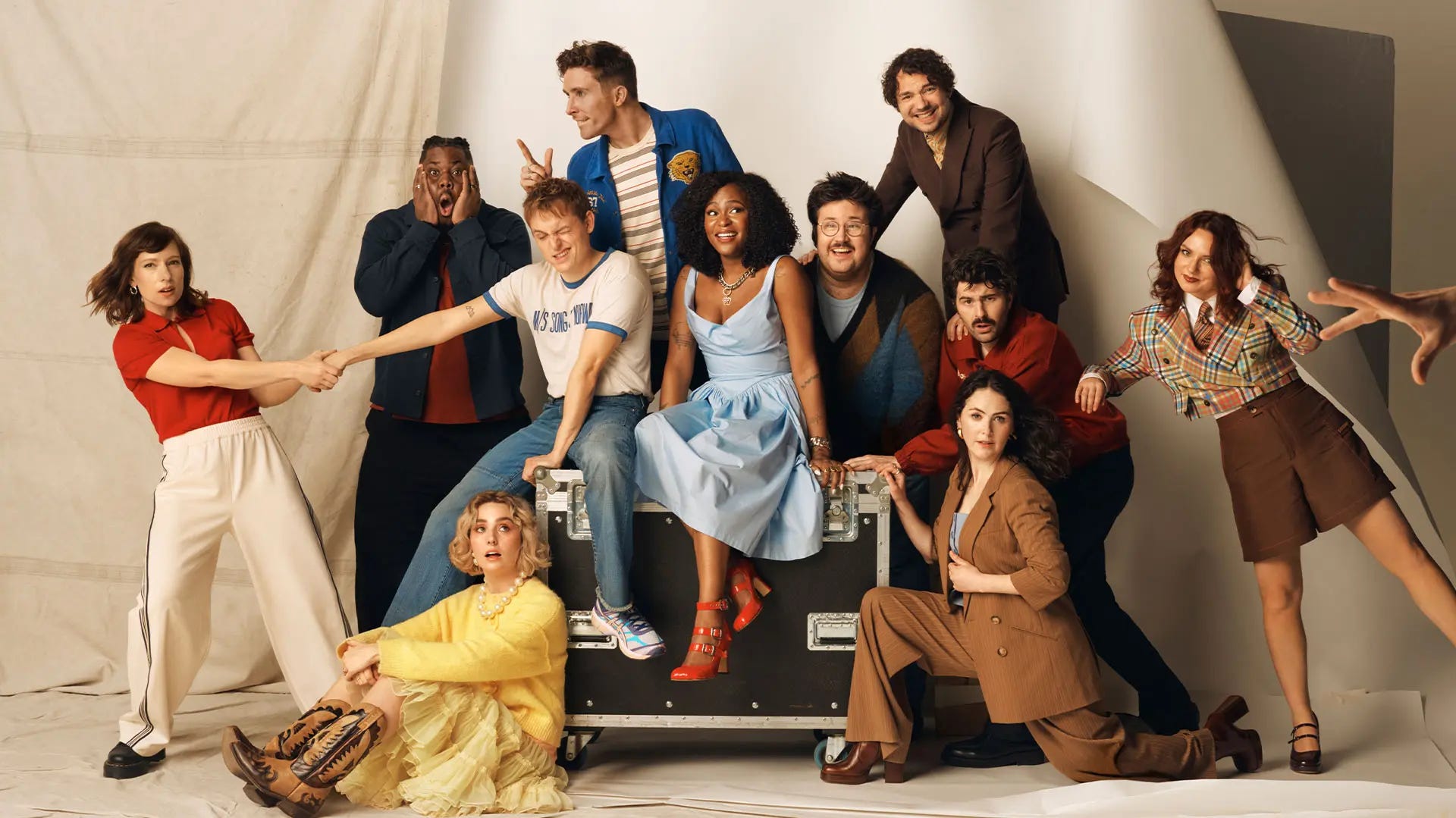
I looked round the audience, and saw how many young people were coming to see this show because it was a hot ticket. The cast are like pop stars. That’s why there’s those stupid annoying celebrity titles that people who hate SNL particularly object to. That’s why it ends with black and white stills of the performers as if they’ve come off stage at Live Aid. That packaging all makes sense when you realise it’s a gig. These people are your new weird pin ups, youth of Britain. How lucky you are! That’s why the end of this week’s show worked. Of course they could all pick an X-Factor archetype to embody for comedy effect. That’s who they are.
This is the same as music. That’s the trick. The glamour is part of it. It’s not bolted on.
I had no idea. It’s a stroke of genius.
Just buying that from the yanks was worth every penny.
I hold my hand up as someone who didn’t buy into this (the trailer and first ep were pretty ropey) but must give it another go, really helpful steer on the actual what, how & why - thank you :)